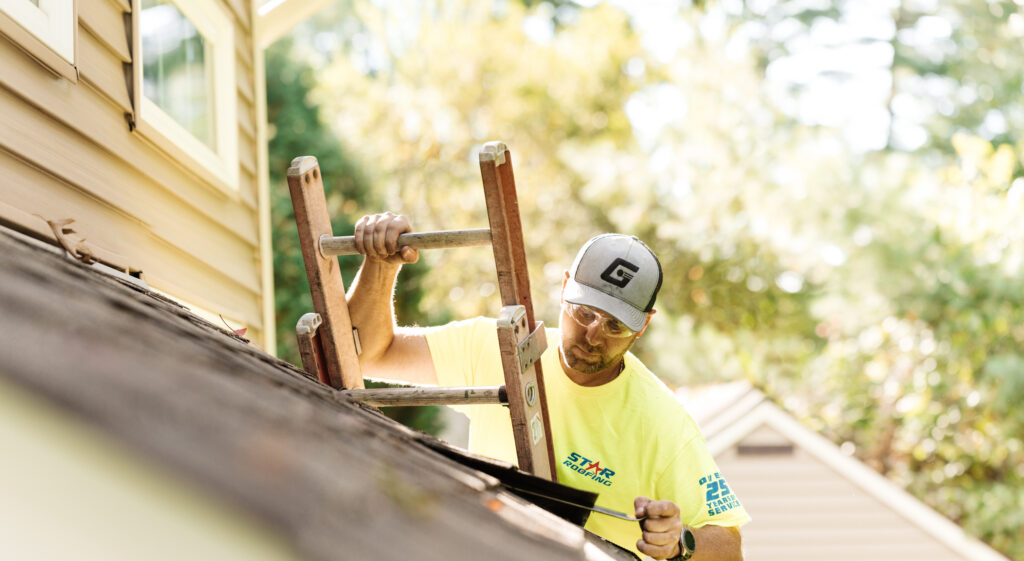
Spring in the Capital Region is a welcome sight. The snow clears, the temperatures climb, and suddenly your home feels like it’s exhaled after months of holding its breath. But here’s what most homeowners don’t realize: the moment winter ends is actually one of the most important times to pay attention to your roof.
Upstate New York winters are hard. Heavy snow loads, ice dams, freeze-thaw cycles that can repeat dozens of times in a single season, and wind that comes off the Hudson with real force—all of it adds up. And most of the damage it leaves behind isn’t dramatic. It doesn’t announce itself with a dripping ceiling or a visible hole. It hides. It waits. And by the time it makes itself known, what would have been a straightforward repair has turned into something much more involved.
These are the five roof problems that Capital Region homeowners most commonly miss when spring arrives—and what to look for before small issues become expensive ones.
Problem #1: Ice Dam Damage That Looks Like Nothing From the Street
Ice dams are among the most destructive winter roof events in Upstate New York, and they’re also among the most misunderstood. Most homeowners know what an ice dam looks like while it’s happening—that ridge of ice along the eaves in January. What they don’t realize is that the damage continues to show up long after the ice is gone.
How Ice Dams Actually Damage Your Roof
When an ice dam forms, it creates a pool of standing water behind it on the roof surface. That water has nowhere to go, so it works its way under your shingles—into the gaps, beneath the underlayment, and sometimes all the way to the roof deck. By the time spring arrives and the ice has melted, the water infiltration has already happened. The evidence is just now starting to appear.
What Ice Dam Damage Looks Like in Spring
Many homeowners walk outside in April, see a clean roof, and assume everything is fine. But the signs worth looking for are often subtle:
- Shingles that appear slightly buckled or wavy along the lower portion of the roof—this indicates water worked beneath them and the underlayment shifted
- Granule loss concentrated near the eaves—granules are the protective layer on asphalt shingles, and saturation from ice dam pooling accelerates their loss
- Staining along soffit or fascia boards—water that infiltrated beneath shingles often migrates outward and leaves a mineral stain line
- Paint peeling on exterior siding near the roofline—frequently a sign of moisture that escaped through the soffit rather than through proper drainage
The Interior Signs That Point Back to Ice Dams
Don’t stop at the exterior. Some of the clearest evidence of ice dam damage is inside your home. Check your attic for any signs of water staining on the decking near the eaves. Look at your ceilings in upper-floor rooms, particularly in corners—those small brown rings or bubbling paint aren’t random. They’re often traceable directly to a winter ice dam event.
Problem #2: Flashing Failures That Are Nearly Invisible
Flashing is the metal sheeting installed around chimneys, skylights, vents, valleys, and any other place where the roof surface meets a vertical structure. It’s purpose-built to redirect water away from vulnerable penetration points. And it is, without question, one of the most failure-prone components on a roof after an Upstate New York winter.
Why Freeze-Thaw Cycles Destroy Flashing
Here’s what happens over a typical Capital Region winter: temperatures fluctuate above and below freezing dozens of times. Every time that happens, the metal in your flashing expands and contracts. The sealant around it does the same—but not at the same rate. Over years, and especially after a particularly brutal winter, that differential movement causes sealant to crack, pull away, or compress into gaps. The flashing itself can lift at the edges, creating small openings that are almost impossible to spot from the ground.
What Makes Flashing Failure So Easy to Miss
Unlike a missing shingle—which you can sometimes spot from your driveway—flashing failure is subtle. A gap of a few millimeters is all water needs to get in, and that gap may only be visible up close or under certain light conditions. The damage it causes, though, is anything but subtle. Water that enters through failed chimney flashing can travel down interior walls, damage insulation, and reach ceiling drywall before you see a single drop.
Where to Focus Your Attention
If you’re doing a visual check from the ground or from a ladder, pay particular attention to:
- Chimney flashing—both the step flashing along the sides and the counter flashing at the top
- Pipe boot seals—the rubber boots around plumbing vents crack under UV exposure and freeze-thaw stress
- Roof valleys—where two roof planes meet, valley flashing takes the heaviest water load and is a common leak origin point
- Skylights—the perimeter seal on a skylight is a frequent failure point after winter temperature extremes
Problem #3: Granule Loss That Signals More Than It Shows
Asphalt shingles are designed to shed granules slowly over their lifespan—that’s normal. What isn’t normal is accelerated granule loss concentrated in specific areas, which is exactly what Upstate winters can cause.
What Granules Actually Do
The granules embedded in your asphalt shingles aren’t decorative. They protect the asphalt layer beneath from UV radiation and physical weathering. When granule loss accelerates, the exposed asphalt oxidizes faster, becomes brittle, and begins to crack. A shingle that loses significant granule coverage in one winter season may have had years of life removed from its effective lifespan.
How to Check for Granule Loss After Winter
The easiest place to look is your gutters and downspout discharge areas. After the first few spring rains, check whether a dark, sand-like material has accumulated. A small amount is normal. A significant deposit—or a visible bare patch on a section of shingles—is worth taking seriously.
Pay close attention to north-facing slopes and any area that was consistently shaded during winter. These zones stay frozen and wet longer than south-facing sections, and the extended freeze-thaw exposure accelerates surface degradation more rapidly.
Problem #4: Soffit and Fascia Damage Hidden in Plain Sight
Most homeowners focus on the shingles when they think about roof health. Soffit and fascia don’t get nearly the same attention, which is part of why damage to these components is so frequently missed in spring.
What Soffit and Fascia Actually Do for Your Roof
The fascia is the board that runs along the roofline and supports the bottom row of shingles and the gutters. The soffit is the underside of the roof overhang. Together, they close off the eave area, protect the rafters and interior roof structure from moisture and pests, and provide critical ventilation to the attic. When they’re compromised, the problems they cause extend well beyond cosmetics.
How Winter Damages Soffit and Fascia
Ice dams and the freeze-thaw cycle affect soffit and fascia in a few distinct ways. Ice buildup along the eaves puts physical pressure on the fascia board. Meltwater that doesn’t drain properly saturates the wood over and over throughout the season. By spring, you may find:
- Soft spots or visible rot in fascia boards, particularly at the ends
- Gaps or separation between the soffit panel and the fascia
- Staining or dark discoloration on the underside of the soffit indicating moisture infiltration
- Paint bubbling or peeling on fascia—a classic early sign of water damage that’s easy to overlook
A damaged soffit can also give squirrels, birds, and insects an entry point into your attic. If you’re hearing activity in your attic in early spring, a damaged soffit after a hard winter is one of the first things to check.
Problem #5: Attic Ventilation Problems That Developed Quietly Over Winter
This one surprises homeowners most often, because it doesn’t look like a roof problem from the outside at all. But inadequate attic ventilation is one of the leading contributors to both ice dam formation and premature roof deterioration—and a winter that stressed your system can leave it compromised in ways that will hurt you through the rest of the year.
Why Attic Ventilation Matters More Than Most People Realize
A properly ventilated attic maintains a consistent temperature across the entire roof surface. When ventilation is working correctly, the roof stays cold in winter, which prevents the warm-meets-cold scenario that forms ice dams in the first place. It also prevents the summer heat buildup that bakes shingles from below, dramatically shortening their lifespan.
When ventilation is compromised—by blocked soffit vents, deteriorated ridge vents, or accumulated insulation that’s been pushed over vent openings—heat and moisture build up in the attic space. That moisture condenses on the roof deck, causing wood rot from the inside out. It’s damage that’s completely invisible from your driveway.
Signs Your Attic Ventilation May Have Been Compromised Over Winter
A few things worth checking when you’re in the attic after winter:
- Frost or moisture staining on the underside of the roof deck—if you saw frost up there during winter, condensation is occurring
- Insulation that appears compressed or wet near the eaves—a sign that ventilation pathways are blocked
- Unusually high heating bills over winter—poor attic ventilation allows heat to escape through the roof, driving up energy costs
- Mold or mildew smell in the attic—moisture that accumulated over winter may have created conditions for growth
If your attic shows any of these signs, the fix often involves clearing blocked vents and reassessing your insulation layout before summer heat arrives.
What the Inside of Your Home Is Trying to Tell You
Before you go outside with a pair of binoculars, take five minutes to walk through your home’s interior. Your house often shows you winter roof damage before you can see it from the ground.
Interior Warning Signs Worth Taking Seriously
| What You See | What It May Indicate |
| Brown rings on upper-floor ceilings | Water infiltration through roof or flashing |
| Paint bubbling near ceiling corners | Moisture migrating from roof deck into drywall |
| Damp or musty smell in attic | Condensation from ventilation failure or ice dam infiltration |
| Frost staining on attic decking | Heat and moisture imbalance—ventilation issue |
| Daylight visible through attic | Gaps in roof deck or around penetrations |
| Increased heating bills over winter | Compromised attic insulation or ventilation |
Any one of these warrants a closer look. More than one warrants a professional inspection.
When to Call a Roofer vs. Keep Watching
Not every spring roof concern requires an immediate repair call. Here’s a practical way to think about urgency:
Act now if you have active water infiltration, visible daylight in the attic, significant granule loss across multiple shingles, or any interior ceiling staining that appeared during or after winter.
Schedule an inspection soon if you have flashing that looks lifted or separated, soffit or fascia showing soft spots or rot, or any signs of ice dam damage that you haven’t had assessed.
Monitor and document minor granule deposits in gutters, small paint peeling on exterior trim, or slight shingle surface weathering—these may be normal wear, but photographing them now gives you a baseline for comparison later in the season.
When in doubt, a professional roof inspection is almost always a better investment than waiting to see if something gets worse.
What Your Roof Is Really Asking For This Spring
Upstate New York doesn’t do gentle winters. The Capital Region’s freeze-thaw cycles, heavy snowfall, and ice events put real stress on every roofing system—year after year. The homeowners who come out ahead aren’t the ones who got lucky. They’re the ones who looked carefully in April, caught something early, and made a straightforward repair before it became a structural conversation.
Spring is the right time. The snow is gone, the roof is accessible, and any damage winter left behind is fresh enough to address cleanly. A few hours of attention now is the difference between a minor repair and a significant project.
If you’re not sure what you’re looking at—or you’d rather have a trained eye take a look—that’s exactly what a spring roof inspection is for.
About Star Roofing
Star Roofing was founded in 1997 by the Wall and Fedele families and has been a trusted name in the Capital Region ever since. As a second-generation, family-owned company, Star is built on straightforward principles: do the job right, treat people with respect, and stand behind every roof installed. From routine inspections and repairs to full replacements, their highly trained crews bring local expertise and genuine care to every home and business they serve. Reach out today—they’d love to help you start spring with confidence.