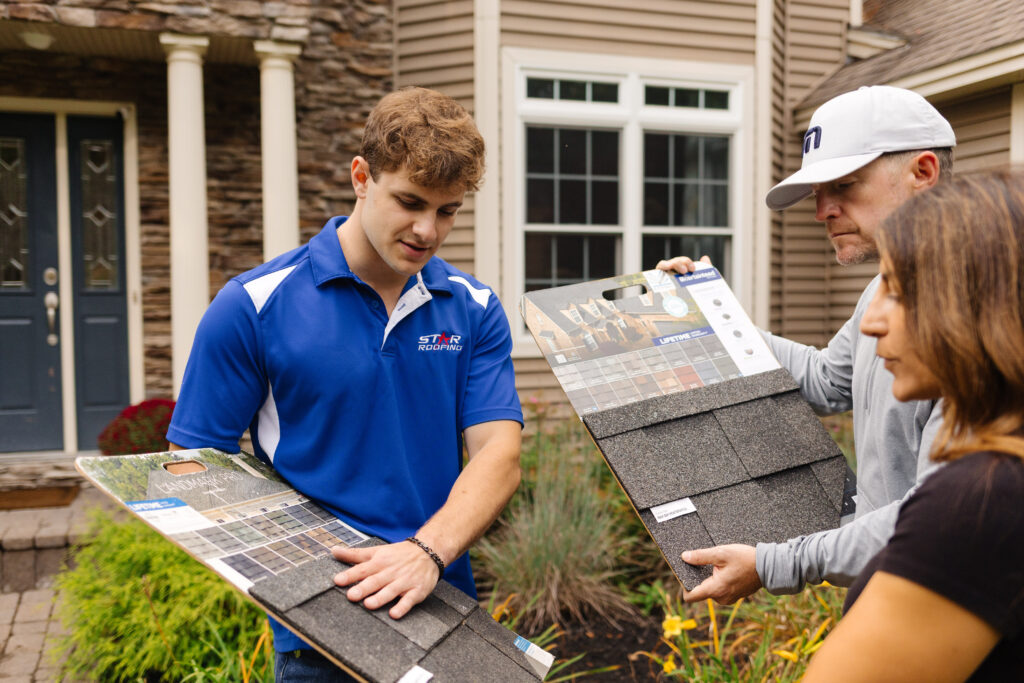
If you’ve spent a few years in the Capital Region, you already know: Albany doesn’t do mild. Summers bring stretches of real heat and humidity. Winters bring heavy snow, ice, and the kind of freeze-thaw cycling that tests everything it touches. In between, you get wind, rain, and a shoulder season that can throw all of it at you in the same week.
That’s the environment your roof lives in every single day. And it’s why choosing the right roofing material isn’t just a budget decision—it’s one of the most important long-term investments you’ll make in your home. The wrong material for this climate doesn’t just underperform. It fails faster, costs more to maintain, and can leave your home vulnerable in ways that compound over time.
This guide breaks down the most common roofing materials available to Albany homeowners, how each one performs in this specific climate, and what to consider before making a decision.
What Albany’s Climate Actually Demands From a Roof
Before comparing materials, it helps to understand what you’re asking a roof to survive here.
The Freeze-Thaw Problem
Albany’s winters involve temperature swings that cross the freezing threshold dozens of times per season. Every time temperatures dip below freezing and rise again, any moisture that’s worked its way into roofing materials expands and contracts. Over years, this mechanical stress cracks shingles, loosens flashing, and degrades sealants. A material that handles this cycle well is one of the most important factors for longevity in this region.
Ice Dams and Snow Load
The Capital Region averages over 60 inches of snowfall annually. Roofs in Albany need to handle the weight of accumulated snow and the conditions that form ice dams—that damaging ridge of ice that develops at the eaves when heat escapes from the attic, melts roof snow, and refreezes at the edge. Some materials shed snow more effectively than others, which matters more here than in most parts of the country.
Summer Heat and UV Exposure
Albany summers can push into the 90s with meaningful humidity. Roofing materials that absorb heat rather than reflect it raise attic temperatures, drive up cooling costs, and age faster under sustained UV exposure. The best materials for this climate perform well at both temperature extremes—not just in winter.
Wind Events
The Capital Region sees regular wind events, particularly in open suburban and rural areas. Wind resistance ratings matter, and materials that are improperly installed or already compromised by age are the first to fail when a strong system moves through.
Asphalt Shingles: The Most Common Choice in the Capital Region
Asphalt shingles are by far the most widely installed roofing material in Albany and the surrounding area—and for good reason. When properly selected and installed, they perform well in this climate and offer an accessible price point for most homeowners.
Are Asphalt Shingles a Good Choice for Upstate New York Homes?
Yes, with an important distinction: not all asphalt shingles are created equal, and the difference matters significantly in Albany’s climate.
Standard 3-tab asphalt shingles are the most affordable option but have the lowest wind and impact resistance. In a climate with real winter stress, they tend to show age faster and are more susceptible to cracking in cold temperatures.
Architectural (dimensional) shingles are a step up in every measurable way—thicker, heavier, better wind-rated, and significantly more durable through freeze-thaw cycling. For most Albany homeowners, architectural shingles represent the right balance of cost and performance.
Impact-resistant shingles carry a Class 4 impact rating and are specifically engineered to handle hail, wind-driven debris, and the physical stress of ice. In a region where hail events occur each spring and summer, the upgrade cost is often offset by longer life and potential insurance savings.
How Albany’s Summer Heat Affects Asphalt Shingles
Asphalt shingles absorb heat, which can be a drawback in summer. Darker colors absorb more solar energy, raising attic temperatures and increasing cooling loads. Lighter-colored shingles and products with cool-roof granule coatings mitigate this effect. If energy efficiency is a priority, it’s worth discussing shingle color and coating options with your roofing contractor before making a selection.
Asphalt Shingle Lifespan in Albany’s Climate
| Shingle Type | Expected Lifespan in Albany | Wind Rating | Best For |
| 3-tab | 15–20 years | Up to 60 mph | Budget-conscious, lower-slope roofs |
| Architectural | 25–30 years | Up to 130 mph | Most Albany homes |
| Impact-resistant | 30–40 years | Up to 130 mph | Hail-prone areas, insurance savings |
Metal Roofing: Is It Worth It in Albany, New York?
Metal roofing has grown steadily in popularity across the Capital Region over the last decade, and for homeowners planning to stay in their home long-term, it deserves serious consideration.
Why Metal Performs So Well in Albany’s Climate
Metal roofing is one of the best-performing options specifically for freeze-thaw climates, and that’s not a coincidence. Here’s why it works so well here:
Snow shedding. Metal roofs are slick. Snow slides off rather than accumulating, which reduces structural load and dramatically lowers the conditions that produce ice dams. For homeowners who deal with ice dam problems every winter, metal is often the most effective long-term solution.
Freeze-thaw resilience. Unlike asphalt, metal doesn’t absorb moisture. It expands and contracts as a whole system rather than degrading at a granular level. Quality standing seam metal roofing is specifically designed to accommodate thermal movement without cracking, splitting, or losing integrity.
Summer heat reflection. Metal roofs reflect solar radiation rather than absorbing it. A properly coated metal roof can significantly reduce attic heat gain in summer, lowering cooling costs in a way that asphalt shingles cannot match.
Longevity. Metal roofing carries manufacturer warranties of 40 to 50 years and can realistically last longer with proper maintenance. For a homeowner replacing an aging roof in Albany, a metal roof may be the last roof they ever need.
The Honest Tradeoffs of Metal Roofing
Metal roofing costs more upfront—typically two to three times the installed cost of architectural asphalt shingles. For homeowners who aren’t planning to stay in the home for 15 or more years, the math doesn’t always favor the investment. It’s also a more specialized installation that requires a contractor with specific metal roofing experience. Done right, it’s exceptional. Done by a crew unfamiliar with the system, expansion gaps and fastener placement errors can cause problems down the road.
The bottom line: if you’re in your long-term home and want the material best suited to Albany’s winters, metal roofing is worth the conversation.
Slate Roofing: The Premium Option With a Long Track Record in New York
Albany and the surrounding Capital Region are home to a significant number of older homes—many from the late 19th and early 20th centuries—and a substantial portion of them were originally roofed with natural slate. There’s a reason for that.
Why Slate Has Lasted Generations in This Climate
Natural slate is essentially impervious to the freeze-thaw cycle. It doesn’t absorb moisture, it doesn’t crack under cold, and it doesn’t degrade from UV exposure. A properly installed slate roof in Albany can last 75 to 150 years. Many of the slate roofs installed in this area a century ago are still performing today.
The Practical Considerations of Slate
Slate comes with real limitations that make it the right choice for some homeowners and the wrong one for others:
- Weight. Natural slate is extremely heavy. Not every home’s structure can support it without reinforcement, and that assessment needs to happen before any installation decision is made.
- Cost. Slate is among the most expensive roofing options available, both in material and installation. Finding skilled slate installers in the Capital Region is possible but requires doing your homework.
- Synthetic slate alternatives. For homeowners drawn to slate’s durability but concerned about weight and cost, high-quality synthetic slate products made from rubber or polymer composites offer good performance at a lower price point and with a lighter load profile.
Flat Roofing Materials: What Albany Homeowners and Businesses Need to Know
Flat or low-slope roofing is common on commercial buildings, additions, and some residential designs throughout the Capital Region. The material considerations are entirely different from pitched roofs.
TPO and EPDM: The Primary Flat Roof Options in Albany
TPO (Thermoplastic Polyolefin) is a white membrane system that reflects heat well—an advantage in summer—and performs reliably in Albany’s temperature range. It’s heat-welded at the seams, which creates a watertight bond that holds up better than adhesive-bonded systems under freeze-thaw stress.
EPDM(Ethylene Propylene Diene Monomer) is a black rubber membrane that has been the flat roofing standard for decades. It’s extremely flexible in cold temperatures, which matters in Albany winters, and it handles ponding water well. The black surface absorbs heat, which is a minor efficiency drawback in summer but a benefit in shoulder-season and winter months.
For commercial applications in Albany, both are solid choices. The right selection often comes down to the specific building, slope, and how the roof drains.
What Is the Most Energy-Efficient Roofing Material for Albany’s Climate?
Energy efficiency in Albany needs to be thought about differently than in purely hot or purely cold climates. Because heating costs dominate the annual energy picture here—winters are long and cold—the priority is often insulation and ventilation performance, not just reflectivity.
The Energy Efficiency Hierarchy for Albany
Best overall energy performance: Metal roofing with a reflective coating. Reflects summer heat, sheds snow efficiently, and when paired with proper attic insulation and ventilation, delivers year-round efficiency gains.
Strong performer: Architectural asphalt shingles in lighter colors with cool-roof granule technology. More affordable than metal with meaningful efficiency improvement over standard dark shingles.
Important caveat: No roofing material alone will deliver full energy efficiency without the right attic insulation and ventilation underneath it. If your attic is poorly insulated or has blocked soffit vents, even the best roofing material will underperform on energy. A roofing contractor worth their salt will look at the full system—not just the surface.
How to Think About Cost vs. Lifespan in Albany’s Market
Roofing decisions are rarely just about the upfront price. The right question is: what does each option cost per year of service life?
| Material | Installed Cost (Avg.) | Expected Lifespan | Approx. Cost Per Year |
| Architectural Asphalt | $8,000–$15,000* | 25–30 years | $300–$500/yr* |
| Impact-Resistant Asphalt | $10,000–$18,000* | 30–40 years | $280–$480/yr* |
| Metal (Standing Seam) | $18,000–$35,000* | 40–60 years | $350–$600/yr* |
| Natural Slate | $30,000–$60,000+* | 75–150 years | $250–$500/yr* |
| Synthetic Slate | $15,000–$25,000* | 40–50 years | $350–$500/yr* |
*These are estimated prices. For an accurate quote, contact your local roofing contractor.
Ranges reflect typical Capital Region installations and vary based on home size, complexity, and material grade.
When framed this way, the gap between asphalt and metal narrows considerably. And for a homeowner who plans to stay in their home and wants to stop thinking about their roof for the next 40 years, metal or synthetic slate often makes compelling financial sense alongside the practical benefits.
Choosing the Right Contractor Matters as Much as the Material
This point can’t be overstated: the best roofing material installed poorly will underperform. Improper flashing, inadequate ice and water shield installation, poor attic ventilation assessment, and incorrect fastening patterns all compromise performance regardless of what’s on the surface.
In Albany’s climate, ice and water shield—the waterproof membrane applied beneath the surface material—is non-negotiable. Building code requires it at the eaves, but experienced local contractors extend it further up the roof to protect against ice dam infiltration. If a contractor doesn’t mention ice and water shield placement in their proposal, that’s a conversation worth having before you sign anything.
Making the Decision That’s Right for Your Home
There’s no single answer to the question of which roofing material is best for Albany. There are, however, better and worse answers for your specific situation.
If you’re working with a tighter budget and need a reliable, well-performing roof: architectural asphalt shingles are a sound choice, and impact-resistant options are worth pricing out.
If you’re in your long-term home and want the material best suited to this climate’s demands: metal roofing deserves serious consideration, and the conversation with a qualified contractor will help you understand whether the investment makes sense for your specific home.
If you have an older home with an existing slate roof or structural characteristics that suit it: a slate assessment from a qualified roofer can tell you whether repair, restoration, or replacement is the right path.
Whatever direction you go, the most important thing is making an informed decision with someone who knows this climate, knows your home type, and will stand behind the work once it’s done.
About Star Roofing
Star Roofing was founded in 1997 by the Wall and Fedele families and has been a trusted name in the Capital Region ever since. As a second-generation, family-owned company, Star is built on three straightforward principles: do the job right, treat people with respect, and stand behind every roof installed. Their highly trained crews serve residential and commercial customers throughout the Albany area with honest assessments, quality materials, and the kind of care that comes from knowing your neighbors are your customers. Reach out today—they’d love to help you move forward with confidence.