Most roofs don’t fail overnight. They wear out slowly, one hard winter at a time, and they usually give plenty of hints along the way. A few stray granules in the gutter or a dark streak across the shingles might be nothing. Curling edges, a sagging ridge, or a ceiling stain after every thaw are signs you need a new roof, or at least a closer look.
Drawing on years of residential and commercial roofing experience in the Capital Region, this guide covers the real signs your roof is at the end of its life, what’s just normal aging, and when to replace your roof instead of repairing it.
| Quick Answer: The clearest signs a roof is at the end of its life are curling or buckling shingles, bald spots where granules have worn away, sagging rooflines, recurring leaks, and daylight or dampness in the attic. Age matters too: asphalt shingles typically last about 20–30 years. When several signs show up together, it’s time for a professional assessment. |
How Long Should a Roof Last?
The International Association of Certified Home Inspectors (InterNACHI) publishes these widely used lifespan estimates:
| Roofing material | Estimated life expectancy |
| 3-tab asphalt shingles | About 20 years |
| Architectural asphalt shingles | About 30 years |
| Metal roofing | 40–80 years |
| Slate | 60–150 years |
| Modified bitumen (flat roofs) | About 20 years |
| EPDM rubber (flat roofs) | 15–25 years |
| TPO (flat roofs) | 7–20 years |
InterNACHI notes these are guidelines, not guarantees. They assume regular maintenance and don’t account for extreme weather or neglect. Whether you have shingle roofing, metal roofing, or a flat roof, age is a starting point, not a verdict.
Why Some Roofs Wear Out Early
Attic ventilation is one of the biggest reasons a roof falls short of its expected life. A Roofing Contractor feature on attic airflow explains that poor ventilation traps heat and moisture under the roof, which can speed up curling, cracking, and granule loss and rot the deck over time.
How Can You Tell How Much Life Is Left in Your Roof?
How old is it? Check closing documents, past contractor invoices, warranty paperwork, or a previous inspection report. Your town’s building department may also have a reroofing permit on file.
What’s it made of? Compare the age to the expected lifespan for your material above. A 22-year-old 3-tab roof is in a very different spot than a 22-year-old metal roof.
What condition is it in? This is the deciding factor. An older roof with no warning signs may have good years left, while a younger one showing several signs may not. A professional roof inspection is the most reliable way to know.
Signs Your Roof Is at the End of Its Life
Curling or Buckling Shingles
Curling comes in two forms. Cupping is when a shingle’s edges turn up; clawing is when the edges stay flat and the middle bulges. Curled shingles catch wind, let water work underneath, and crack more easily in the cold. Buckling, or rippled rows, can point to moisture in the underlayment or deck. Widespread curling or buckling usually means the shingles are worn out.
Bald Spots and Heavy Granule Loss
Some granules in the gutter aren’t automatically a problem. IKO’s technical bulletin explains that new shingles shed loose excess granules early on without shortening roof life. The concern is bare spots where the asphalt shows through. On an older roof, bald patches and ongoing heavy granule loss mean the shingles are losing their protection.
Cracked, Brittle, or Missing Shingles
One shingle lost in a windstorm is a simple repair. Shingles cracking across the roof or going missing after every storm mean the material itself is wearing out, and brittle shingles are especially vulnerable in cold Capital Region winters.
A Sagging or Wavy Roofline
From the street, the ridge should be straight and the roof planes flat. Sagging or dips can signal a deeper problem with the deck or structure, often from long-term moisture. This one needs prompt professional attention.
Daylight or Dampness in the Attic
Look for daylight through the roof boards, stains on the underside of the deck, damp or matted insulation, or a musty smell. Any of these means water or air is getting through.
Leaks, Stains, and Other Signs Your Roof Is Failing
One leak doesn’t mean a roof is finished. But if you’re calling for roof repair every season, or stains keep appearing in new places, the roof may be failing faster than patches can keep up.
Worn Flashing and Failing Seals
Rusted, cracked, or loose flashing around chimneys, vents, and skylights is a common leak source. Flashing can often be repaired on its own, but when it’s failing alongside aging shingles, the whole roof system is usually wearing out together.
Moss Growth (and Why Dark Streaks Are Different)
Thick moss holds moisture against shingles and can lift their edges. Dark streaks are different: the Asphalt Roofing Manufacturers Association (ARMA) explains they’re usually airborne algae, a mainly cosmetic issue. If you clean them, ARMA warns never to power wash or scrub, since that damages shingles and loosens granules.
Signs a Flat or Commercial Roof Is Wearing Out
Ponding water is a big clue on low-slope roofs. ARMA’s guide to ponding water defines it as water remaining 48 hours or longer and explains that it can deform the deck, wear down the membrane, and let moisture into the building. A membrane that’s blistered, cracked, or separating at the seams is another sign a commercial roof is nearing the end of its life.
What Do Worn-Out Shingles Look Like?
| What you see | What it may mean | How soon to act |
| Edges turned up or centers bulging | Curling from age or ventilation issues | Plan an inspection soon |
| Dark, smooth bald patches | Granule loss exposing the asphalt | Plan an inspection soon |
| Wavy or rippled rows | Buckling from deck or underlayment moisture | Inspect promptly |
| Dips in the roofline | Possible deck or structural damage | Inspect promptly |
| Black or green streaks | Algae, mostly cosmetic | Not urgent |
What Capital Region Winters Do to an Aging Roof
Albany averages about 59 inches of snow a year, according to National Weather Service climate normals, and winter temperatures swing above and below freezing for months. Each freeze-thaw cycle works water into small gaps and widens them. Ice dams add to the strain: the University of Massachusetts Amherst explains that they form when snow melts higher up and refreezes at the cold eaves, trapping water that can back up under worn shingles. If your roof shows end-of-life signs in the fall, have it checked before the snow arrives.
When to Replace Your Roof Instead of Repairing It
| Your situation | What usually makes sense |
| Younger roof with damage in one area | Repair |
| Roof near or past its lifespan with several warning signs | Plan a replacement |
| Repeat leaks in different spots | Get an assessment; replacement may be more cost-effective |
| Sagging deck or widespread attic moisture | Get a professional assessment promptly |
Planning ahead gives you time to choose materials and schedule work on your terms. An honest roof replacement conversation should start with your roof’s actual condition, not a sales pitch.
Why Roof Age Can Matter for Homeowners Insurance
The Maryland Insurance Administration, a state insurance regulator, explains that most homeowners policies cover sudden damage from events like wind, hail, or the weight of ice and snow, but not age-related wear and tear. Under actual cash value coverage, depreciation is deducted from a payout, which can be significant on an older roof. Policies vary, so ask your agent how yours treats your roof’s age.
What NOT to Do When Your Roof Is Showing Its Age
- Don’t climb onto the roof to check it. Worn or icy shingles are dangerous, and foot traffic damages brittle shingles.
- Don’t power wash shingles. High pressure strips granules and shortens roof life.
- Don’t ignore a small leak. Water damage spreads behind ceilings long before it shows.
- Don’t keep patching a roof that’s past its life. Repeated repairs can cost more than a planned replacement.
- Don’t decide on a replacement without an inspection. Some warning signs are repairable, and a trustworthy roofing contractor will tell you so.
How to Check Your Roof Safely
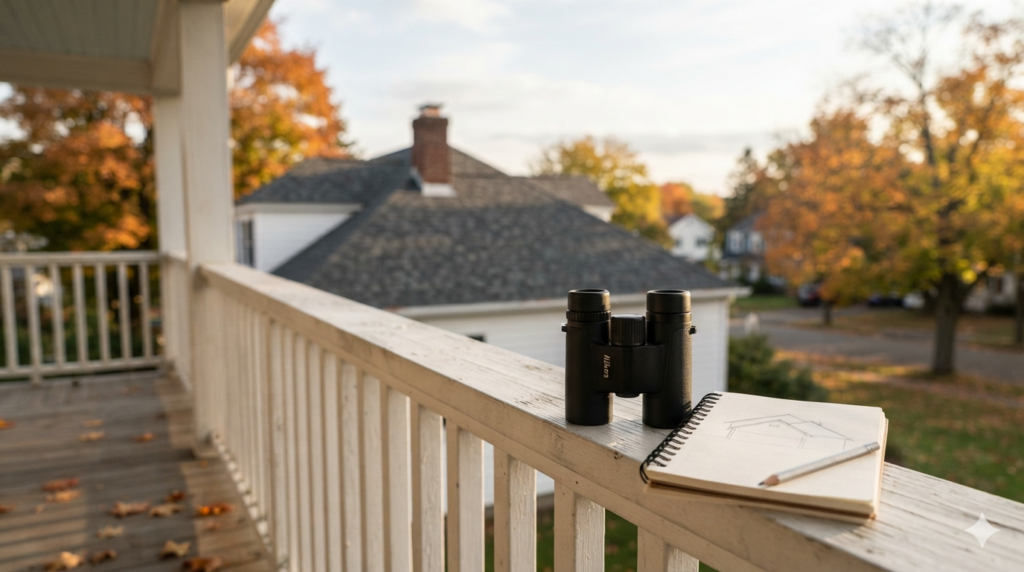
Twice a year, ideally spring and fall, scan the roof from the yard with binoculars for curled, cracked, or missing shingles and sagging lines. Check gutters for heavy granule buildup, look for daylight or damp spots in the attic, and watch ceilings for new stains. If anything looks off, regular roof maintenance can catch problems while they’re still easy to fix.
When Your Roof Starts Telling You It’s Tired
Your roof has protected your home through every storm and snowfall. When it starts showing its age, you don’t need to panic or guess. Knowing the signs lets you plan a replacement on your timeline, or find out that a simple repair will buy you years.
Straight Answers From People Who Live Here Too
Star Roofing has been part of the Capital Region since 1997, when the Wall and Fedele families started the company on a simple idea: do the job right, treat people with respect, and stand behind every roof. Today, as a second-generation, family-owned company, we help homeowners and business owners from Albany to Saratoga to Schenectady understand exactly where their roofs stand. Our highly trained crews live in the same neighborhoods they work in, so the advice we give you is the same advice we’d give our own neighbors.
Reach out to Star Roofing today for a free consultation and find out why so many local homeowners trust us to stand behind every roof we build. No pressure, no hard sell—just honest answers from people who care about getting it right.