If your energy bills feel higher than they should or your home never seems comfortable no matter how much you run the heat or air conditioning, you’re not imagining things. Your roof plays a major role in how much heat your home absorbs, holds, or reflects. Choosing the right energy-efficient roofing options can make a real difference in comfort, performance, and long-term energy savings.
In this guide, we’ll explain how energy-efficient roofing works, which materials perform best, and what steps you can take next, whether you’re replacing an aging roof or improving an existing roofing system.
What Is an Energy-Efficient Roof?
An energy-efficient roof is designed to manage the amount of heat that enters or escapes your home. Instead of simply protecting against rain and snow, an efficient roof helps regulate indoor temperatures year-round.
How Energy Efficient Roofing Works
Energy-efficient roofs use a combination of material design, color, and technology to control heat flow. Some roofs reduce heat by reflecting more sunlight, while others limit how much heat transfers into your attic and living spaces. The goal is to reduce strain on heating and cooling systems, which lowers energy bills over time.
Key Features of an Efficient Roof
An efficient roof often includes high solar reflectance, proper ventilation, and materials that limit heat transfer. Many products are tested and rated for energy efficiency, including options that meet ENERGY STAR standards.
Why Energy Efficient Roofing Matters in New York
Homes in New York’s Capital Region experience hot summers, cold winters, and everything in between. That means your roof needs to perform well in multiple conditions.
Seasonal Performance
In summer, a roof that absorbs heat can drive attic temperatures up, forcing your air conditioning to work harder. In winter, poor roofing design allows warm air to escape, increasing heating costs. Energy-efficient roofing helps balance both extremes.
Urban Heat Island Effect
In denser neighborhoods, roofing choices can contribute to the urban heat island effect, where dark surfaces trap heat and raise surrounding temperatures. Reflective roofing can help reduce this impact while improving comfort inside the home.
Top Energy Efficient Roofing Materials
Not all roofing materials perform the same when it comes to energy efficiency. Below are the most common options homeowners consider.
Metal Roofs
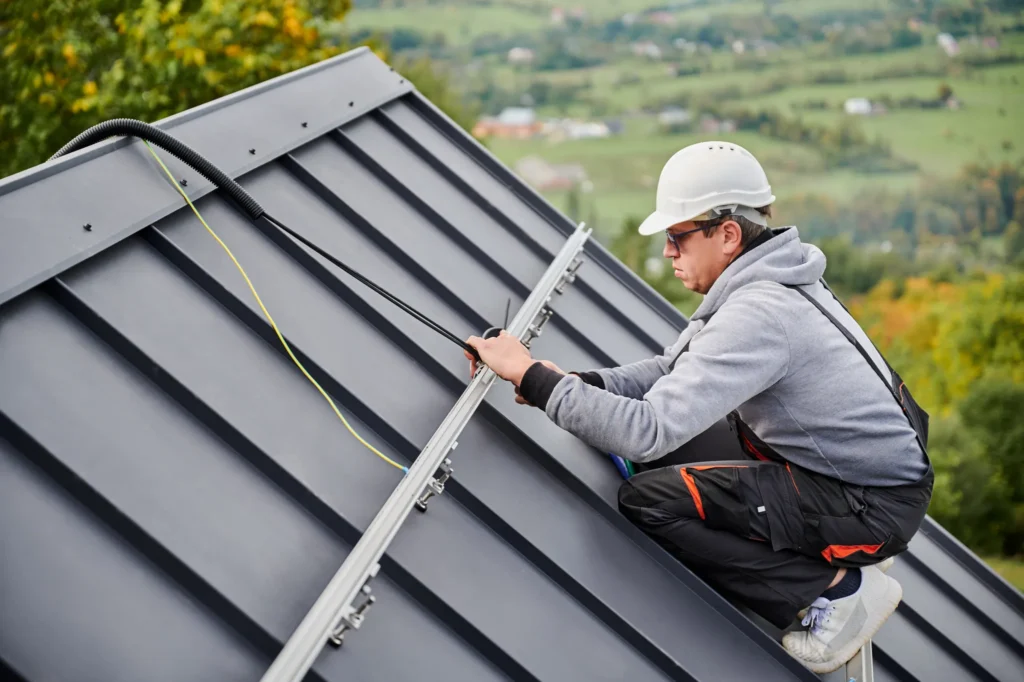
Metal roofs are one of the most energy-efficient choices available. They naturally reflect sunlight, shed snow easily, and last for decades. Because they don’t absorb heat the way traditional materials do, they help reduce cooling costs during summer months.
Asphalt Shingles
Modern asphalt shingles have come a long way. Many manufacturers now offer shingles with reflective granules designed to improve energy efficiency. These options look traditional while offering better performance than older shingles.
Cool Roof Systems
Cool roofs are designed specifically to reflect sunlight and reduce surface temperatures. They can be made from various roofing materials and coatings, all focused on reducing heat buildup and improving energy savings.
Do Cool Roofs Really Reduce Heat?
Yes, they do when used correctly. Cool roofs work by reflecting solar energy away from your home instead of letting it sink into roofing materials. By reducing roof surface temperature, cool roofs help lower indoor heat buildup and reduce cooling demand. While often associated with warmer climates, cool roof technology can still provide benefits in mixed climates like New York, especially during summer.
Other Efficient Roofing Materials
Slate, tile, and some synthetic roofing products also provide energy benefits due to density and durability, though they’re less common in residential settings in this region.
Roof Color and Energy Efficiency
Color matters more than many homeowners realize. Dark roofs tend to absorb heat, which can increase attic temperatures and raise energy bills in summer. Lighter or reflective options reduce heat absorption and help keep homes cooler.
Material usually matters more than color alone, but a colored roof paired with reflective technology offers the best balance of appearance and performance. Even darker shingles can be energy efficient if they’re designed to reflect infrared light.
How Much Energy Can an Energy-Efficient Roof Save?
Savings depend on your current roof, insulation, and overall home design. According to national energy studies, energy-efficient roofing can reduce cooling costs by 10–30%, especially when combined with proper attic insulation and ventilation. Lower attic temperatures mean your HVAC system runs less often, which can extend equipment life while lowering monthly energy bills.
Do Energy Efficient Roofs Really Save Money?
They can, and often do. While energy-efficient roofing materials may cost more upfront, the long-term energy savings often offset that difference. Homeowners also benefit from increased comfort, fewer temperature swings, and reduced wear on heating and cooling systems. Some materials qualify for rebates or incentives, particularly those that meet ENERGY STAR requirements. These programs can further improve return on investment.
Improving Energy Efficiency Without Replacing Your Roof
If a full replacement isn’t in the cards yet, there are still ways to improve performance.
Upgrades for Existing Roofing
Improving attic insulation, sealing air leaks, and enhancing ventilation can significantly boost the efficiency of existing roofing systems. Reflective coatings may also be an option, depending on roof condition and material.
Maintenance Matters
Regular inspections and maintenance help ensure your roof performs as intended. Small issues can quietly undermine efficiency if left unchecked.
Choosing the Right Energy-Efficient Roof for Your Home
There’s no one-size-fits-all solution. The right roof depends on your home, budget, and long-term plans. When evaluating energy-efficient roofing options, consider:
- Local climate and seasonal extremes
- Material lifespan and durability
- Upfront cost versus long-term energy savings
- Visual style and neighborhood expectations
A professional assessment can help determine which efficient roofing materials make the most sense for your specific situation.
Is Energy-Efficient Roofing Worth It?
For many homeowners, the answer is yes. An energy-efficient roof reduces heat, improves comfort, lowers energy use, and adds long-term value to your home. Whether you choose metal, upgraded asphalt shingles, or a cool roof system, the right roofing materials can and will make a noticeable difference year after year.
Talk with Star Roofing About Energy-Efficient Roofing Options
If you’re exploring energy-efficient roofing options, we’d love to help. At Star Roofing, we take every job personally because we live and work right here in the Capital Region. Our team brings years of local experience, highly trained crews, and a commitment to quality that homeowners trust.
We’ll walk you through material choices, explain performance benefits clearly, and help you decide what makes sense for your home and budget. Reach out to Star Roofing today to schedule a consultation or ask questions about energy-efficient roofing. Let’s build a roof that works smarter for every season ahead.